


Description:
A great opportunist, Eurasian Buzzards (Buteo buteo) have a varied diet of voles, small rodents, birds, frogs, lizards and can often be seen walking over recently ploughed fields looking for worms and insects.
Most prey are captured after a descent from a perch, but this species also soars to locate potential food, and it also hovers like a Kestrel.
Pairs mate for life.
While the plumage is usually brown, the exact colouration and patterning is highly variable, from blackish-brown to pale whitish-brown.
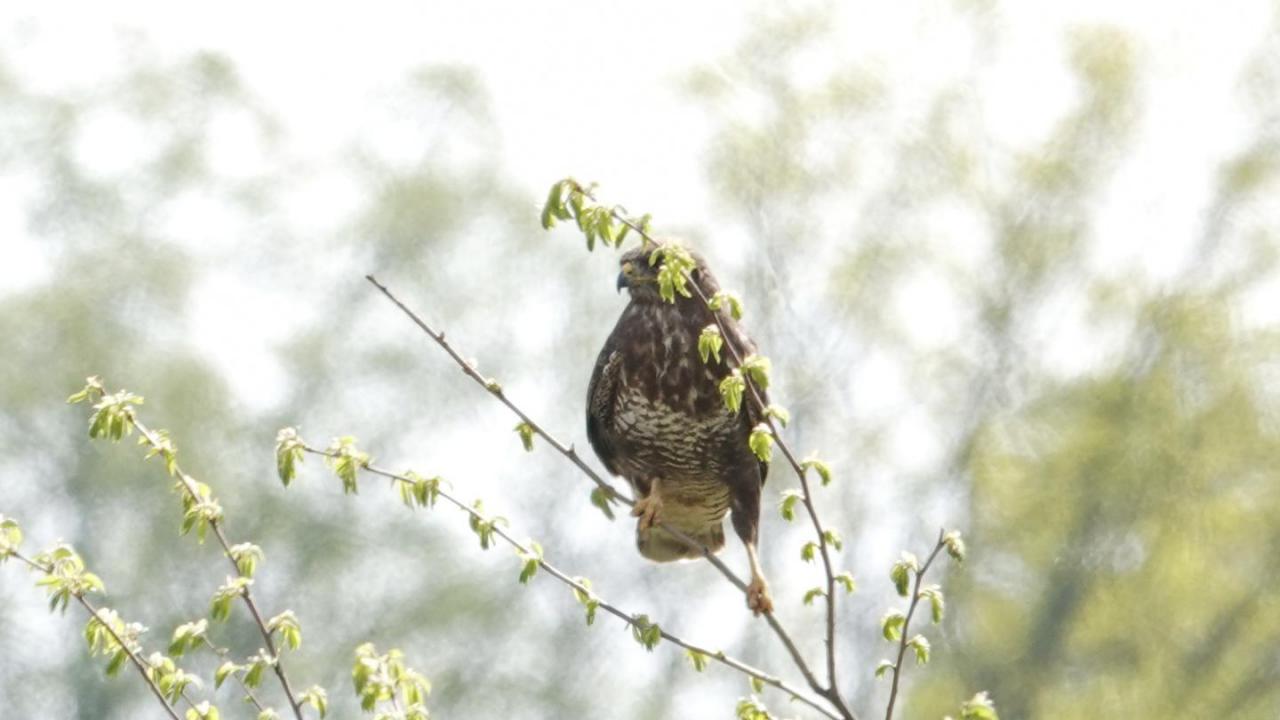
Young individuals often have a heavily streaked breast (like on the 1st photo).
The eastern subspecies of the Eurasian Buzzard, known as the Steppe Buzzard (Buteo buteo vulpinus) is found from Finland and Eastern Europe to Central Asia during breeding season, and winters in sub-Saharan Africa and parts of India.
Countries like Moldova have both the western subspecies Buteo buteo buteo and the eastern subspecies Buteo buteo vulpinus.
It differs somewhat physiologically from the western subspecies, as it is smaller with a length between 45-50 cm, but with longer wings and tail.
Like other Eurasian Buzzards, Steppe Buzzards also show great variation in color but can generally be recognized by the rufous or buffy-brown coloration of the upper- and underparts.
The tail feathers of the Steppe Buzzard is often rufous in appearance whereas tail feathers of the western buzzards are typically whitish.
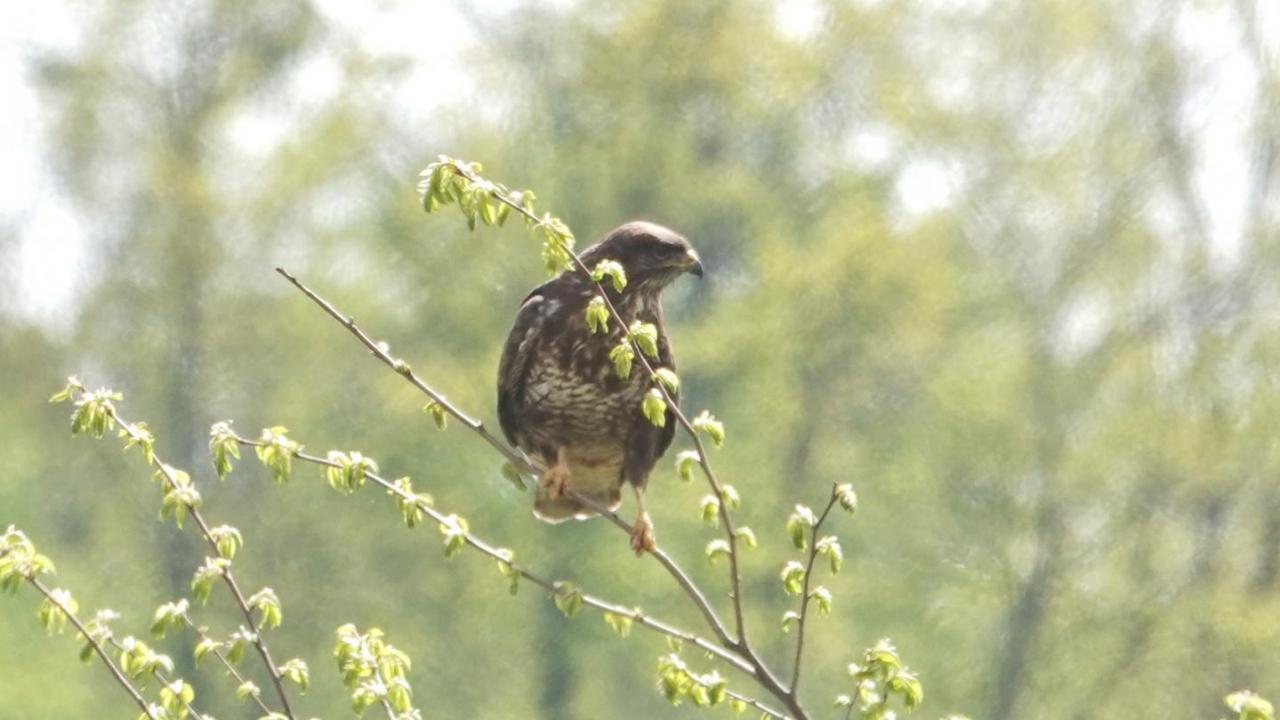
The bird on my photos seems to have a clear breast band indicating it is a Buteo buteo buteo.
Costești-Stânca Reservoir, Moldova, 28 April 2026